





Reviews
What Customers Say
About Our Agency

SophiaMarketing Director

Laura SmithBrand Lead

Ketlin MartinezCreative Director

RahmanOperations Head
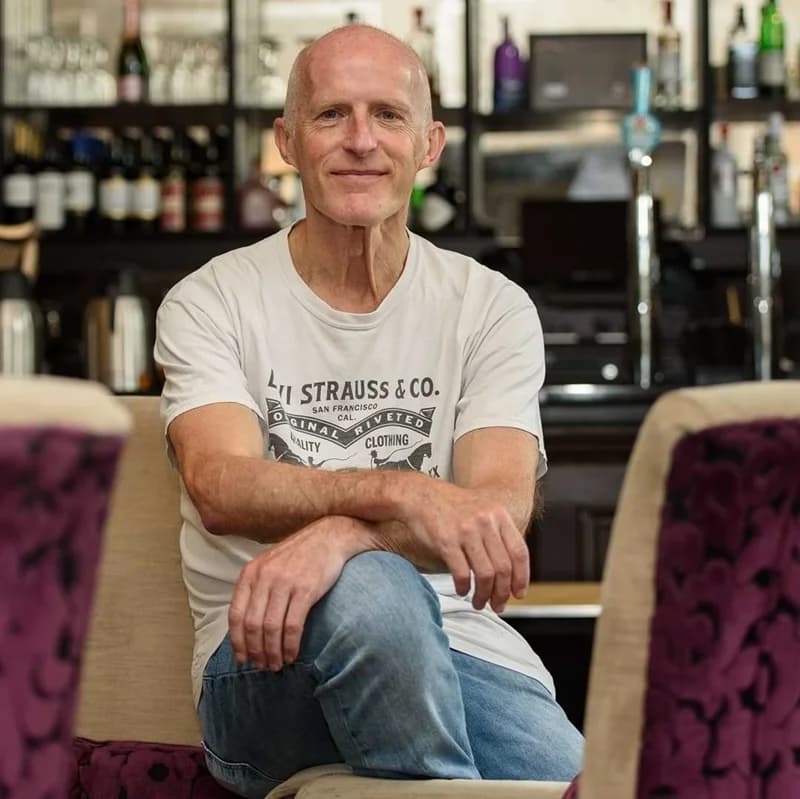
DavidSaaS Founder

MariaE-commerce Manager
SophiaMarketing Director
Laura SmithBrand Lead
Ketlin MartinezCreative Director
RahmanOperations Head
DavidSaaS Founder
MariaE-commerce Manager

Michael JohnsonSEO Strategist

Sarah ThompsonFounder, Bloom

David LeeGrowth Marketer

Emily RodriguezVP of Growth

Stacie B.Owner & Marketing Specialist
RahmanOperations Head
Michael JohnsonSEO Strategist
Sarah ThompsonFounder, Bloom
David LeeGrowth Marketer
Emily RodriguezVP of Growth
Stacie B.Owner & Marketing Specialist
RahmanOperations Head
Founder Feeds
Video Testimonials
FEED // 01 OF 07
Foxy Digits ClientSatisfied Client
Momentos PhotographyMaria
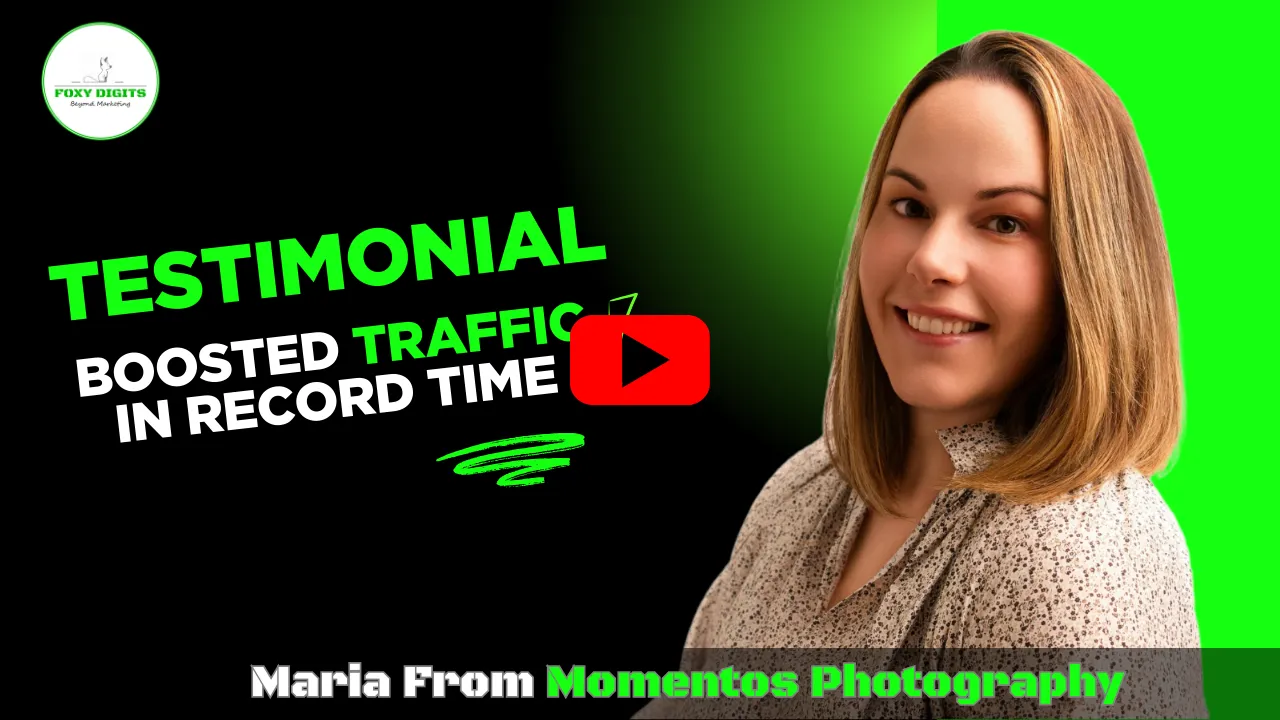
Custom ConceptsLeandra

Blue SkyDevid
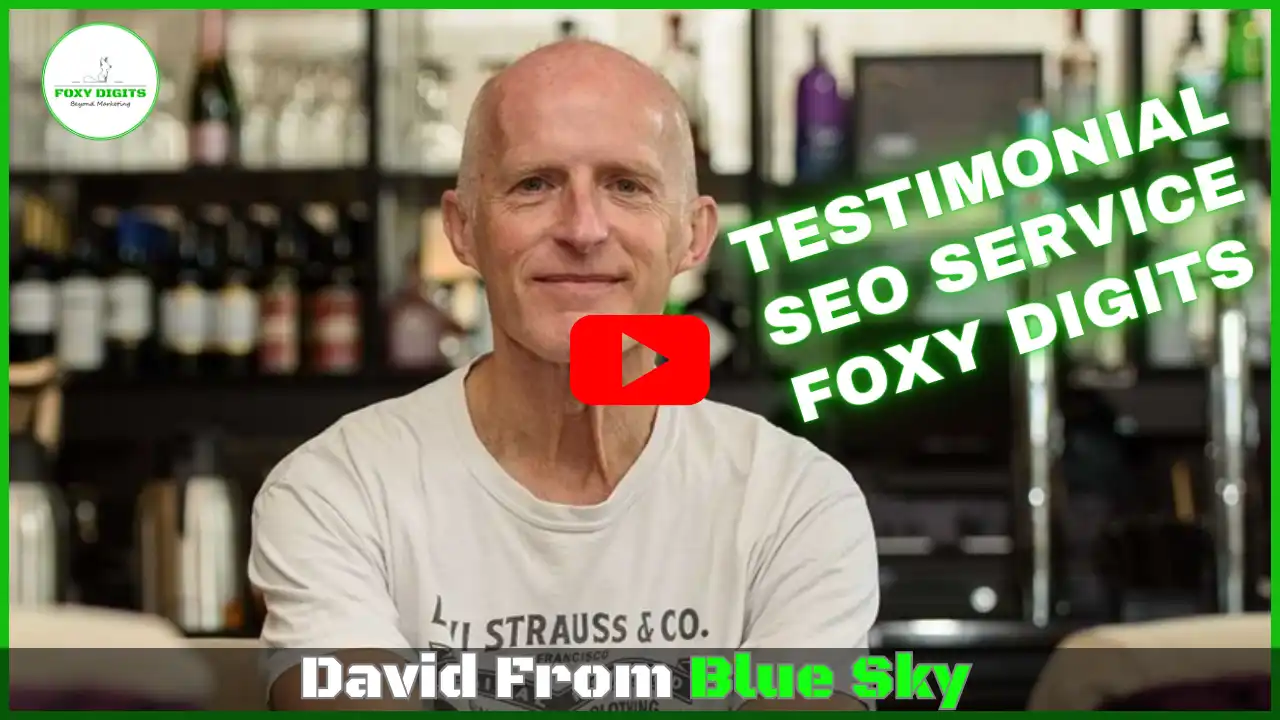
Creative Heart DesignRobin

Custom Concepts (Part 2)Leandra

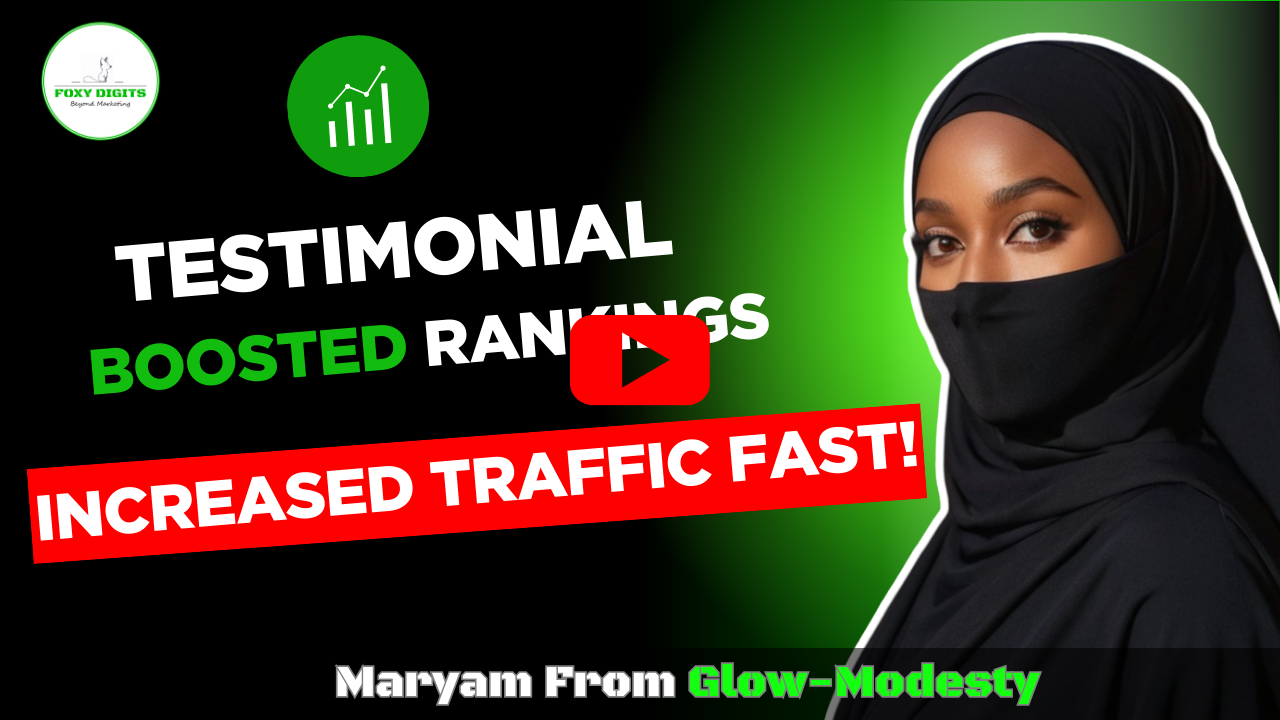
Glow ModestyMaryam
FAQ
Frequently Asked Questions
Everything you need to know before getting started with our Copywriting Services service.
Have more questions?
Connect directly with our expert team — no obligation.
Get in Touch
Contact Us For
Further Information !
Feel free to reach out! We’re here to answer your questions, provide insights, and assist you in making informed decisions. Your inquiries matter to us.
Direct Contact
E-Mail Usinfo@foxydigits.com
Office Locations
Mohali Office
1st Floor, C-210, Phase 8B, Industrial Area, Sector 74, Sahibzada Ajit Singh Nagar, Punjab - 140307, India
Ambala Office
2nd Floor, Mehta Properties 10-B, Gobind Nagar, Near Oberoi Sweets, Jagadhri Road, Ambala Cantt - 133001, Haryana, India